Maggini Model
Large Violas with short string length
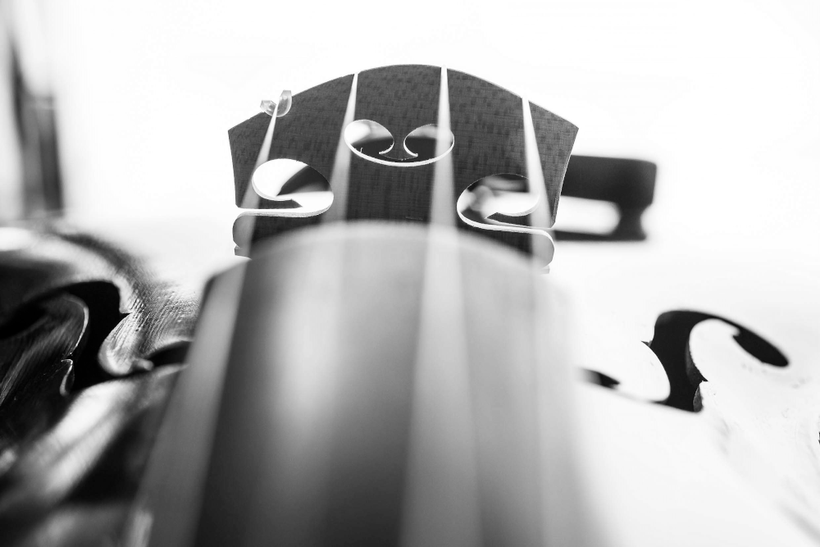
As explained here, a large viola does not necessarily require a long string length. The Maggini model combines the tonal depth and carrying power of a large viola with the comfort of a shorter string length. This rare combination makes it an ideal solution for violists with smaller hands.
Measurements Maggini Model
| Body length | Open string length | Open string length variation (recommended) | |
| G.P.Maggini | 41,6 cm (16⅜″) | 35,5 cm (14″) | 36 cm (14⅛″) |
Listen
Here, Nikolai Clavier is playing a viola by Barbara Gschaider, measuring 41.6 cm (16⅜″) based on Andrea Guarneri's 1676 viola.
A Closer Look: The Making a Maggini Viola
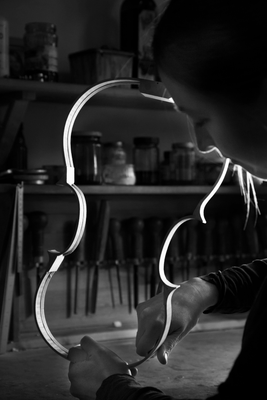
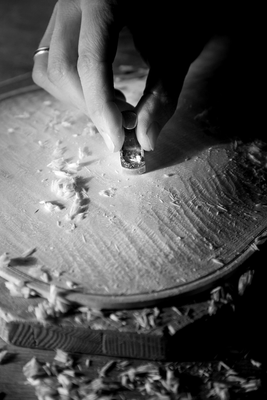

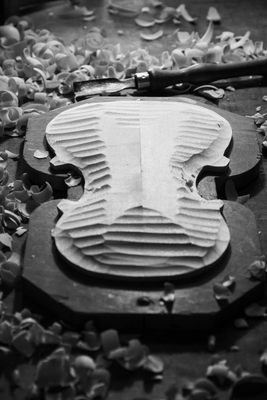

In addition to its short string length, the Maggini model is distinguished by another remarkable feature: an exceptionally high, full arching, almost like a balloon. This is probably one of the reasons why the model is so rarely copied, as such an arching is very stiff and difficult to make it sound well.
For this reason, I use only wood with very low specific density. Spruce with wider annual growth rings can also be advantageous, as the greater proportion of softer spring growth gives the arching additional flexibility.
Another crucial element is the delicate channel around the edge of the plates, known as the fluting. When building a Maggini model, I pay particular attention to this feature, as only a carefully shaped deep fluting allows the plates the freedom of movement they requires.
The thicknesses of the top and back plates are another area where I deliberately depart from the historical original. Rather than following fixed measurements, they are determined individually according to the characteristics of each piece of wood.
The final setup of a Maggini model also differs from that of most other violas. Its shorter open string length results in lower string tension, which means that the soundpost must provide a correspondingly adjusted counterpressure. Equally important—though often overlooked—are the height of the saddle and the position of the tailpiece; the standard recommendations commonly applied to violas do not necessarily produce the best results here.
Even after more than thirty years of experience, I cannot claim to have found a perfect formula for the final tonal refinement. What experience has taught me, however, is how these factors interact, allowing me to shape the voice of each instrument with intention, precision and the care it deserves.